Building a real estate business is no easy task. It takes patience, skill and a lot of careful planning to work out.
Real estate is an industry when change is inevitable. Property prices, mortgage regulations, laws, and every other factor can change any time and you have to be prepared for it.
The best place to start real estate investments is hence, your own neighborhood. Your knowledge about your own locality will help you predict changes and use them to your own advantage.
By understanding how neighborhoods change, you can find the best properties and deals to grow your business. Here is a brief guide on how you can profit from changes in your neighborhood.

Each neighborhood is unique and different. They vary in location, the housing stock, shopping facilities, and industries around them.
Neighborhood market conditions can be affected by many factors internal or external. Some of them include immigration, housing demand and supply, job and business growth, market value, stability, and amenities, and quality of life.
The usual stages of a neighborhood are:
Here, all the amenities and infrastructure are brand new or under development. Such a neighborhood has high property values as everything is new.
This is when people start moving in. As a result, property values start fluctuating.
The used neighborhood is fast losing its original look and beauty. Here, property values usually decline and attain a stable point,
The neighborhood starts to attract new business and hence expects to grow more in value due to development.
The key takeaway: A new neighborhood starts to lose its shine as people start moving in and using it. The roads are no longer new, the paint is not fresh anymore. There will be signs of wear on the properties. Some lawns would be maintained well and some will start to grow weeds. As a way to reduce maintenance, some house owners may look for selling their houses.
As more and more people start to occupy the neighborhood, more people, pets, and kids will be using the common areas. This will obviously make the place look old.
Some owners might, hence, start to look for better places to move and decide to rent out their houses in the neighborhood.
The strongest neighborhoods are those that have good infrastructure, amenities, and high market prices. The weakest are those that have the lowest demand and very low prices.
Factors like tax delinquency, vacancy rate, ownership rate, level of the down payment made by homeowners, and rate of new construction and growth can all be indicators of either growth or a lagging market.
But as a real estate investor, you can make decent profits from any situation given you can find sellers and buyers. A weak neighborhood presents lots of opportunities for finding a house to sell. But finding buyers could be difficult. Hence, a good idea is to buy such houses for a very low price, renovate it, and develop the price and find a buyer to upsell it. You could still make profits even in a weak market as long as you keep looking for opportunities.
When you have a clear picture of the neighborhood condition, you can dig in more for the right opportunities. Here are some ways to do that.

Investors, who are keen on the neighborhood changes, can easily identify people willing to sell their property. For instance, worn-out houses that have been abandoned for a while could be a sign. Maybe the owner is too tired to keep up the maintenance. You can easily convince such owners to sell their houses.
You get better pricing options when you buy from a tired landlord. Buying the rundown house from a landlord begins by getting it for a rundown price.
Landlords will be more willing to sell to an investor as they don’t have to spend any more money to fix the house. As an investor, you can buy the house as it is.
Landlords are also more likely to finance a property when selling to an investor. There are some reasons that they favor an investor over a regular buyer. The landlord can save up some tax money if they are ready to finance the purchase.
An investor can also give them a good interest rate on their equity position, potentially in the range of 5-10% which is higher than what banks can offer.
Owners who continue to live in their houses may find it difficult to sell it off. This could be because of convenience or emotional attachment. Hence, look for absentee owners who no longer live in their houses. These people will be more willing to sell their property.
One way to find absentee owners is to check the county records on tax filings. If property taxes are filed and mailed from a different address from that of the property, it means the owner doesn’t live in the same property. You can browse the web to compile the related information.
Getting to know the availability of property to sell is important. Once you get that information you need to fix on a price and make a deal. This calls for an understanding of the neighborhood trends to know the market value of the properties.
Several factors impact the neighborhood market value and the probability of a successful sale. Some of the trends you need to look out for are listed down below:
Get accurate data on the neighborhood stats like geographical information, demographics, and market stats from the public records. One important thing to remember when making use of statistical data is to not compare the local stats to the national average.
National stats cover a wide area that does not serve the purpose when you are working on a neighborhood scale.
You can also conduct your researches and surveys to gather data.
Get more information on the neighborhood conditions by looking through publicly available information. You can look into public property records, newspaper ads, auction house announcements, foreclosures, and such to get access to good deals.
Look into the data published by fellow realtors and peers in the multiple listening services. Investors can also buy from another investor. MLS can provide deeper insights into the sales trend and market values for the neighborhood properties.

Photo by Laurie Shaw from Pexels
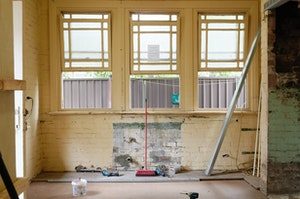
Look into the costs it takes for renovation and remodeling of a rundown house. As mentioned earlier, worn outhouses are easy to buy from landlords as landlords don’t want to maintain them or renovate them anymore. But once you buy them you will have to renovate it to make it sell-able at a profit.
Hence, buy such houses for a lesser price considering the costs for renovation required.
The arrival of new businesses into an area is a great indicator to see if a market will be growing and shifting. When a new company is starting in the neighborhood, it creates a micro economical region. More people will move in given the new job opportunities created by the company. This could affect the neighborhood significantly.
Property values could raise, more landlords will be renting out their houses and more amenities will also grow. As more amenities grow, it will lead to an even higher demand for properties. So, keep an eye out for any emerging businesses around the neighborhood.
Specialization is the key to managing changes in real estate. And specialization starts with knowing and understanding your neighborhood trends and dynamics. The more aware you are about the changes in your neighborhood, the more efficient you can be in devising your real estate strategies.
Start looking for opportunities by observing your neighborhood and be updated on the current trends and changes happening around you. This will help you manage any changes that may come your way while also allowing you to make profits at all times.