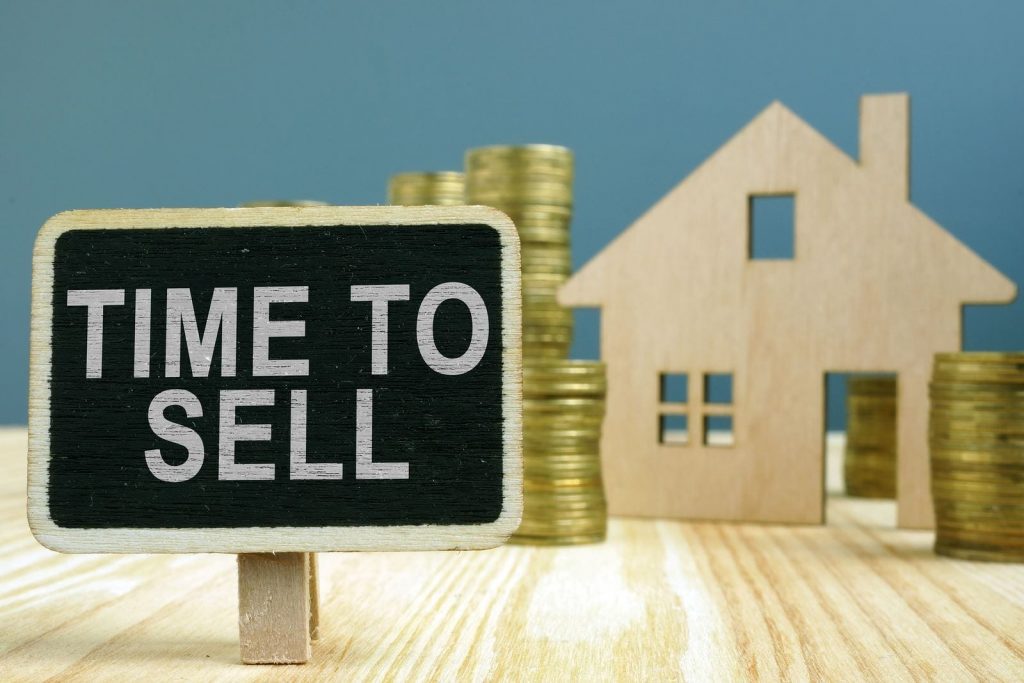
Are you thinking about selling your investment property? Well, it is not entirely a bad idea. Unlike what some real estate gurus would say, you can sell your rental properties if they can’t meet your exact needs. There are many cases why selling the investment property would be the sensible decision you can take.
Some properties are just good as they are and have good prospects as well. An attractive price shouldn’t detract you from selling an excellent investment property. This is because selling involves extra expenses too. Taxes, maintenance, renovation costs, and setting up new management routines can be too expensive on your time and resources to sell an already performing property.
So understand what makes a suitable investment property, and if yours fits the bill — keep it for yourself.
Here are some reasons why you shouldn’t sell your property:
Assess your property every quarter of the year to know its rental market value. You can use sites like Redfin, Cozy, and Apartment.com to conduct market analysis with a real estate agent to calculate the potential monthly rental income. If this figure can make up for all your property-related expenses and still provide you with positive cash flow, the property is right to keep.
Location is the most important deciding factor for the success of an investment property.
A property that is located in a high demand rental community is always desirable and attracts tenants. If your property is located in a neighborhood with excellent transport and civic amenities, is within a good school district, or is nearby popular destinations, you should probably never let go of it.
Properties near universities and shopping centers also have high demand at all times. If your property is situated in such hot areas, it is a good idea to keep it.
If your property demands little time and effort to manage, it makes little sense to sell it. Living near to your properties can make managing it easy. The type of tenants, too, has a say on how easy management can be.
If you are blessed with such a property that lets you manage it with little effort, you don’t have to sell it. As you will also read below, ease of management can be considered a critical factor in deciding whether to sell or keep a property.
It may seem too much of a risk to sell a cash producing property. But as the markets change and new trends emerge, you will have to reevaluate the long term possibilities of your current property. Here are some reasons why selling could be a good idea.
Change is inevitable in the real estate market. Rentals that were making good money last year could find it extremely difficult to find tenants this year. You will have to assess your holdings every few months to determine where you stand.
If you take a closer look, you can find the properties that are performing poorly, and then it might make sense to cash out these properties sooner. Consult your real estate agent, analyze the market, and see how much you can gain from a sale.
If the possible profit from a sale outweighs the net income you can get, it is a good idea to sell and reinvest in a better cash-generating channel.
Remember, investing in real estate is not about collecting trophy houses. The more non-performing assets you have, the more money you would be bleeding in terms of maintenance, taxes, and management. If you get an opportunity to make a good revenue, you can sell your assets to raise capital quickly.
Not all rental properties are equal. Some properties have high costs of maintenance associated with them, which can offset the income produced. About ten years into ownership, you will start realizing that the maintenance costs are about to increase.
For instance, bathroom fittings, furnishing, flooring, countertops would all need replacements, costing you thousands of dollars. If an upgrade to your property is necessary but can’t make up for an equivalent rise in rental income, it would be a good idea to sell before the next maintenance cycle.
Of course, a knowledgeable buyer would factor this in their price negotiation, but you should still be able to make the right amount of money.
You might have invested in the property with certain estimates in mind. If the property has not lived up to its potential and is unable to grow in terms of cash flow, you can sell it.
Owning a rental property entails additional expenses like maintenance, taxes, mortgage payments, insurance charges, and more. If the monthly cash flow barely meets these expenses or is not able to provide you actual positive cash flow, it makes sense to sell it.
Properties that are on the downward spiral towards reduced cash flow can also be sold when a good deal comes your way.
The cap rate is the income to expenses ratio for a property. The ideal value for the cap rate is considered to be within 5% to 10%. If your property falls below this value, it means the potential income value could go down.
Cap rates can change as market conditions change. You have to reassess the value when you consider selling, and it can help you make a better decision.
Rental property management looks like an easy job on the first impression. In reality, though, it requires just as much time and effort as any business would. You have to be really lucky to get tenants who pay their dues on time and make little to no maintenance requests.
You will have to take time to respond to tenant queries, take appropriate actions for maintenance requests, and resolve any property related disputes with neighbors, and so on.
Properties rented out as hotels or shopping complexes demand even more level of commitment. You will have to make frequent trips to check up on the property and make sure it is maintained well. If you don’t live near your property, it is going to be very difficult to manage it and just give you another reason to sell it.
If, after careful deliberations and evaluations, you do decide to sell your investment property, make sure you sell it for a profitable deal. Never rush into the sale and regret losing out on the right property. There are many stories of people who regret selling their properties on flawed logic and emotionally charged spur of the moment decisions.
Look for multiple ways that can help you get a better deal. Sometimes using equity and borrowing money to buy new property could help you maintain both your old and new properties.
Make sure your decision aligns with your personal financial situation, goals, and strategy.
When you do sell your property, look for ways to maximize your profit.
Here are some tips to help you reduce taxes during a sale.
You can also seek advice and help from professionals before deciding to sell or invest in a property.