Easy Ways to Improve Home Value
May 9, 2020 Are you looking to sell your home? Do you wonder what your home is worth? Are you confused about the way to find out its exact value? Don’t worry. You are not alone in facing this dilemma. Hundreds of home-owners across the US and the world are confused about the optimum value of their home. It feels complicated, but it isn’t.
We prefer the word ‘value’ over ‘price.’ We also want you to understand the difference between PRICE and VALUE. Certain things could increase the selling price of your home, but they will make no actual difference to its value. Our ultimate mission here is to find the right value and help you in obtaining that.
We have some easy ways for you to understand the right way to arrive at your home value. These ways also include ideas on what NOT to do. The important thing is to keep in mind is what the BUYER will ultimately want. To put it simply, value is often not in what we see but in what we do or choose not to do. If followed carefully, all these steps could lead you to find the optimum value and price for your home in no time.
You keep seeing TV shows or suggestions in magazines on ways to ‘improve’ your home. These are all variations on the ideas given below:
- Renovate your master bathroom
- Refurbish your kitchen
- Break down walls to create open space and an open floor plan
- Modernize your home
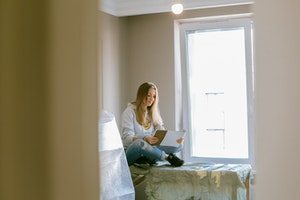
If you stay in your home for years, these ideas don’t sound bad. In fact, they sound completely practical. We are not implying you stay in a broken-down home or don’t renovate if need be.
What we are pointing out is that you understand the consequences of investing in major renovations.
Every single one of these ideas requires a significant chunk of finances, and yes, they will add to the value of your home, but is it proportional? Adding a new bathtub or a shower will give you joy and comfort, but does it ADD VALUE to a buyer? Will they care about your new window panes? Do your costs justify your return on investment? The answer, unfortunately, often is no.
Let’s look at numbers. Assume your home currently values at $400,000. After research and planning, you decided to renovate your bathroom. Looking at basic renovations or even getting a new bathtub, we assume the cost is $25,000. According to research and past data, bathroom renovations end up recovering only 70% of their cost. So for an estimated cost of $25,000, you will only get an additional value of $17,500. In conclusion, after spending approximately 6.25% of your home value, you get a return of an additional 4%. There is an increase, but it is not substantial and not in proportion to the investment you have made.
To sum it up, the renovation does increase your price, but it does not increase your home value. As a keen seller, you have to choose what project to undertake when and help your bottom line.
You know you have to sell your house. But do you know you really have to SELL your house?

Photo by Torsten Dettlaff from Pexels
A good salesman does not limit himself to his product. He knows the limitations, but he also knows the positives. As a home-owner and seller, shine a light on what makes your home unique and desirable. The challenge lies in finding value in areas or attributes that can create meaning for the buyer. While professionals, agents, and realtors are always there to support you, this is on you. They will stick to traditional concepts and tried and tested methods for a sale. But if you wish to receive maximum value for your house, then you need to go beyond the conventional.
You may be surprised by what you dismiss as irrelevant could actually help you sell your home for a higher value.
Go back to when you were planning to buy a house. What did you want? How did you pick your home? Was it the location? Or was it something abstract, like the interiors and size of the house? Did you deviate from your budget, or did you stick to it? Relating to the mindset of the buyer is the easiest way to know how to highlight your home and market it to them.
Being energy-efficient and environment-friendly is quite important these days. Homes with higher green energy ratings, better-built structures will always demand a premium when compared to poorly built or maintained structures. Older homes or homes with older fixings can lead to excess energy usage, high bills, and affect the structure of the house.
For students, young couples, families, or even older couples, energy-efficient homes imply lesser bills and costs, which is a win-win in every situation. There are several energy rating programs across the country with a focus on aspects like water, indoor air quality, energy usage, and reduce environmental damage. You can pick and choose between any energy rating program to evaluate the green energy rating for your home and co-relate it to the selling price. Reports have shown that that green energy certified homes sell for 2% to 5% more than non-certified homes. High energy ratings indicate that the construction is of premium level, and this will convince the buyer about its durability and quality.
Here is an example to understand the reasoning behind it. An energy-efficient home drives your bills down, by say $50 a month. That is a whopping number! In a year alone, a home-owner could save $600. Whatever money the buyer saves on this could be targeted towards buying a higher-priced home. Sadly, a lot of professionals and sellers don’t take this attribute seriously. It is up to you as a seller to market and highlight this aspect in the right way. Energy bills, green features, LED lights, anything that you have can help to sell your home at a higher value. Channel your marketing strategy accordingly and emphasize on how much money they would be saving and helping the environment.
Sellers should get a home energy auditor to certify their homes. The cost is about hundreds of dollars, but it is well worth the investment once you compare the returns.
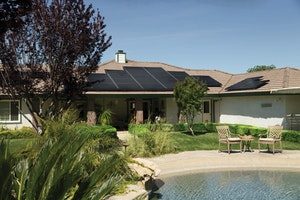
Photo by Vivint Solar from Pexels
A big attribute in environment-friendly solutions is solar panels. They do look chunky and ugly and can’t be hidden like energy-efficient machines or LED lights, but they are of considerable value. Solar Panels, or in the technical jargon: Photovoltaic Cells (PV Cells), convert sunlight to electricity. They reduce your electricity grid usage by anywhere between 40%-50% of the original cost. If you do own a solar panel and have it installed already, you could demand a higher value for your home and receive it. The US government also offers tax benefits for solar power generators, which can help a buyer make his decision. They do differ from state to state, so ideally, do your research before you install or lease a solar panel.
If you lease a solar panel, it could get problematic as you will have to transfer the lease to the buyer, and they should be willing to bear the costs. Strictly speaking in terms of efficiency, selling a home with installed and owned solar panels is a bonus and an excellent way to add value.
Where your home is, says a lot about it rather than how it is. We are not talking about location here but instead of the surroundings, atmosphere, and environment. A well-landscaped garden, mature tree, and beautiful streets add much more value to your home than you can imagine.

Photo by Tom Swinnen from Pexels
Newly constructed homes or modern units have no views, no natural surroundings near them. You tend to see rows of houses with a postage stamp garden or few bushes nearby. Trees and gardens provide a lush landscape to the house, making you feel comfortable and relaxed. We are not talking small plants or few weeds but big, fully grown, mature trees. They demand maintenance and upkeep, but the return on investment is very high. Instead of barren streets, buyers prefer dense, well maintained lots and trees near houses or in the surrounding.
You would be shocked to know that having a fully grown, mature tree could add as much as 3% to your estimated value. Who could have imagined? Buyers know that upkeep is involved, but the visual effect is so pleasing and comforting that they are willing to forego that and, in fact, pay higher for the house with trees and shrubbery around it.
These are some unorthodox ways to find value for your home. Home-owners generally keep investing in renovations or home improvements that do not add any value. The upgrades will, in fact, just help in maintaining the original value. That is not your goal here. We want you to make a profit and gain the best deal possible for your home.
Buyers will find and seek value in attributes and features that you can’t even imagine. Hence you must get back into the mindset of a buyer and look at what your house can provide in the most positive way. Before you undertake any renovation or home improvement project, draw out a budget and a plan. If the project is essential, could it be done at a lesser price? Will it make any sense practically in the future or is it just to change things up for you? It is perfectly acceptable to do some fun things for your home as long as they don’t detriment your finances in the long run. A good seller will understand the difference between price and value and take each step accordingly.